

Cart
0
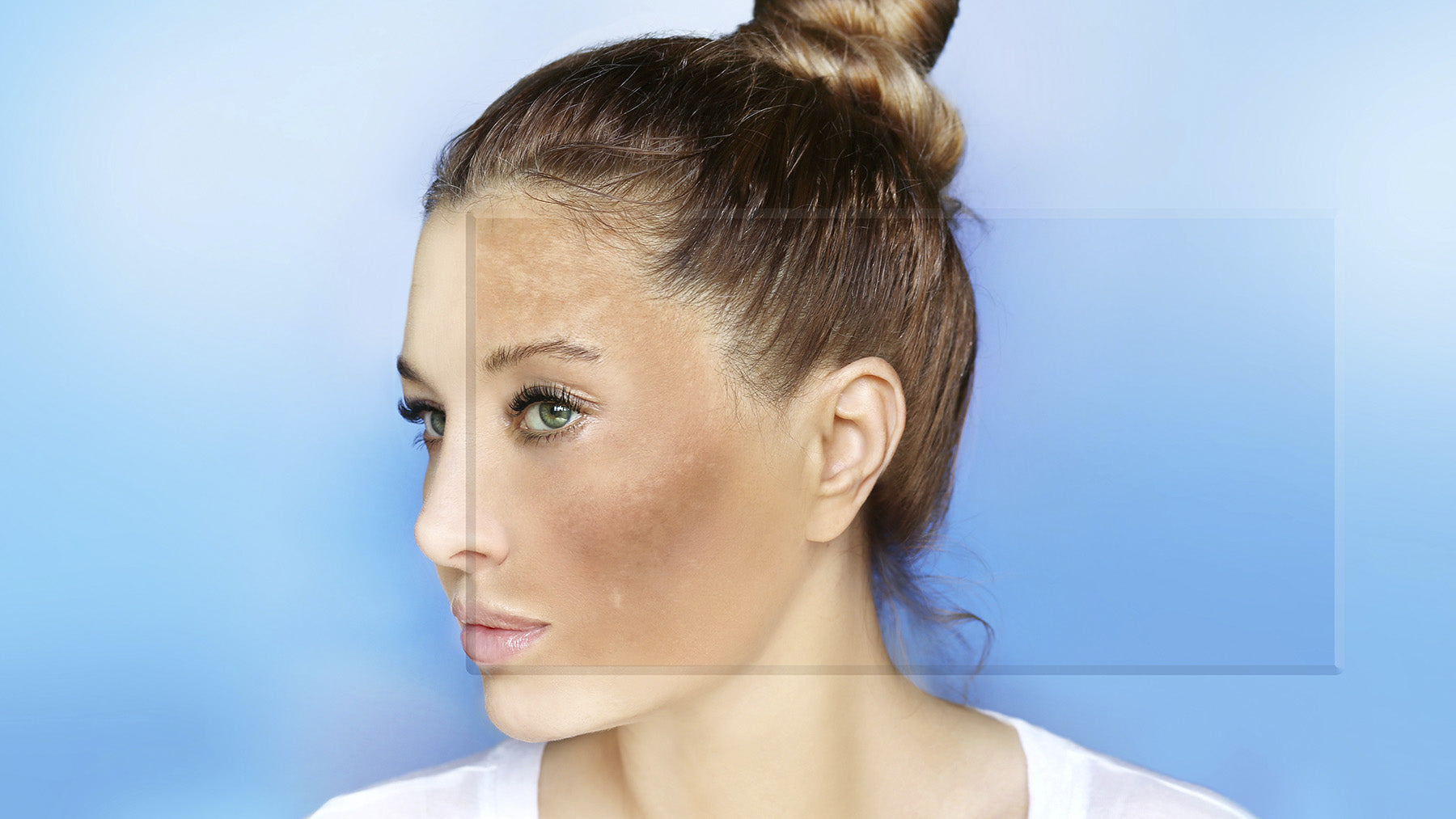
If summer left you with more dark spots than you started with, you're not alone. The good news is that fall is hands down the best season to treat hyperpigmentation — here's why, and how to make the most of it.
Summer is one of the most common triggers for hyperpigmentation. Between increased UV exposure, heat-induced inflammation, and the sweat and friction that come with warmer months, dark spots have every opportunity to form, deepen, and multiply between June and September. By the time fall arrives, a lot of people are looking at a complexion that's noticeably more uneven than it was in spring.
Here's the part most people don't know: fall is actually the most powerful season for treating that damage. Lower UV intensity, cooler temperatures, and more time indoors create the ideal conditions for brightening ingredients to work faster and more effectively than they ever could in the middle of summer. If you're going to get serious about fading dark spots, now is the time to do it.
Why Summer Makes Hyperpigmentation Worse
To understand why fall is so effective for treatment, it helps to understand what drove the pigmentation in the first place.
Your skin produces melanin as a protective response to UV radiation, inflammation, and injury. In summer, all three of those triggers are working at full intensity simultaneously. UV exposure stimulates melanin production directly. Heat triggers low-grade skin inflammation that activates the same melanin-producing pathways. And breakouts, friction, or any skin irritation that occurs during summer leaves behind post-inflammatory hyperpigmentation that gets consistently darkened by ongoing sun exposure before it ever has a chance to fade.
For melanated skin, this cycle is even more pronounced. Darker skin tones contain more active melanocytes, which means the inflammatory and UV-triggered responses that cause dark spots are stronger, faster, and produce pigmentation that goes deeper into the skin. Post-inflammatory hyperpigmentation in deeper skin tones can take significantly longer to fade than in lighter complexions, which makes the strategic use of fall's lower UV environment even more valuable.
Why Fall Is the Best Season to Treat Hyperpigmentation
The main reason brightening treatments work better in fall comes down to UV exposure, and it affects the treatment from two directions.
First, lower UV intensity means that the active ingredients doing the brightening work are not being counteracted in real time. In summer, every morning of unprotected or inadequately protected sun exposure partially reverses the fading work done overnight. In fall and winter, that daily reversal is significantly reduced, which means the net progress your skin makes each week is considerably greater.
Second, many of the most effective brightening and resurfacing ingredients, including retinoids, AHAs, and certain forms of Vitamin C, increase photosensitivity. In summer, that makes them harder to use consistently without risking irritation or worsening pigmentation. In fall, with reduced UV intensity and more time indoors, you can use these ingredients at their recommended frequency without the same risk. The result is faster, more visible results in a shorter window of time.
The Ingredients That Fade Dark Spots Most Effectively
Vitamin C is the cornerstone of any hyperpigmentation routine. It inhibits tyrosinase, the enzyme responsible for melanin synthesis, which means it both fades existing dark spots and prevents new ones from forming. It also provides antioxidant protection against the environmental triggers that stimulate pigmentation in the first place. For maximum effectiveness, it should be applied every morning before SPF.
Kojic Acid works through a similar mechanism to Vitamin C but targets a different step in the melanin production process, making the two ingredients highly complementary when used together across morning and evening routines.
Alpha-Arbutin is a gentler brightener that's particularly well-suited for melanated and sensitive skin. It reduces melanin synthesis without the irritation risk that higher-concentration brighteners can carry, making it safe for consistent daily use.
Glycolic Acid and Lactic Acid accelerate cell turnover, physically pushing pigmented surface cells off the skin faster than they would shed naturally. This is what gives brightening routines their speed — rather than waiting for the skin to renew itself on its own timeline, exfoliating acids compress that process significantly.
Retinyl Palmitate stimulates collagen production and cellular renewal at a deeper level than surface exfoliants, addressing pigmentation that has settled below the skin's outermost layers. It's most effective when used consistently over several weeks, which is exactly the kind of sustained use that fall's reduced UV environment makes possible.
Building Your Fall Hyperpigmentation Routine
Morning:
Start with the Silkify Cleanser to gently prep your skin without disrupting the barrier that your brightening actives depend on to function properly.
Apply the Renewify Serum immediately after cleansing. With 18% Vitamin C, Vitamin E, and Ferulic Acid, this is the most impactful morning step for fading hyperpigmentation. Ferulic Acid stabilizes the Vitamin C and significantly enhances its effectiveness, while Vitamin E provides additional antioxidant support. Applied every morning throughout fall, it works continuously to inhibit melanin production and prevent the UV-triggered pigmentation that would otherwise slow your progress.
Follow with the Hydrify Moisturizer to maintain the skin barrier and keep skin comfortable through the day, then finish with the Shieldify Sunscreen SPF 50. SPF remains non-negotiable even in fall. UVA rays, which directly stimulate melanin production, are present year-round. Skipping sunscreen in fall is one of the most common reasons brightening routines underperform during this season.
Evening:
Cleanse with the Exfolify Cleanser most evenings. Its combination of 7% Glycolic Acid and 2% Salicylic Acid accelerates the cell turnover that pushes pigmented surface cells off the skin faster, while keeping pores clear and preventing the breakouts that cause new post-inflammatory hyperpigmentation to form.
Follow with the Brightify Cream as your targeted treatment. This is where the real fall hyperpigmentation work happens. Kojic Acid and Alpha-Arbutin work together to inhibit melanin synthesis through complementary pathways. Licorice Root Extract and Daisy Flower Extract add natural brightening support. Retinyl Palmitate drives cell renewal at a deeper level and stimulates collagen for improved skin texture alongside the brightening. Applied consistently throughout fall, most users see meaningful improvement in dark spots within four to six weeks.
Two to three times per week, replace your evening cleanse with the Glow Pads. Their multi-acid formula, including Glycolic, Lactic, Mandelic, and Azelaic Acid, delivers a deeper resurfacing treatment that significantly accelerates pigmentation fading. Mandelic Acid in particular is highly effective and well-tolerated for melanated skin, as its larger molecular size means it penetrates more gradually and with less irritation risk than other AHAs at comparable concentrations.
What to Expect and When
Realistic expectations make a big difference in staying consistent with a hyperpigmentation routine, so here's an honest timeline for what fall treatment typically looks like.
In the first two to three weeks, most people notice improved skin texture and a subtle brightening of overall complexion before individual dark spots begin to visibly fade. This early improvement comes primarily from exfoliation clearing away dull surface cells.
By weeks four to six, consistent users typically see noticeable fading in lighter, more recent dark spots, particularly post-acne marks from summer breakouts. This is when the combination of Vitamin C in the morning and Brightify Cream at night begins to produce visible results.
More established sun spots, melasma, and deeper hyperpigmentation require eight to twelve weeks of consistent treatment to show significant fading. Deeper skin tones may need to allow the full twelve weeks before judging the full impact, as pigmentation that sits lower in the skin takes longer to reach the surface and shed.
Common Mistakes That Slow Down Results
- Skipping sunscreen on cloudy or cool days. UVA rays penetrate cloud cover and glass. Every unprotected morning partially offsets the brightening work done the night before.
- Over-exfoliating. Using too many exfoliating products too frequently can compromise the barrier, cause irritation, and actually worsen pigmentation, especially in melanated skin. Stick to the Exfolify Cleanser most evenings and the Glow Pads two to three times per week, not both on the same night.
- Inconsistency. Hyperpigmentation treatment is cumulative. Missing multiple days a week significantly reduces the net progress your skin makes each month. The routine needs to be consistent to work.
- Expecting results in days. Dark spots form over weeks and months. Fading them takes the same kind of time. Four to twelve weeks is a realistic window, depending on the depth and age of the pigmentation.
The Bottom Line
Fall is genuinely the best season of the year to treat hyperpigmentation, and that window is worth using intentionally. Lower UV exposure, cooler temperatures, and longer nights create conditions where brightening ingredients can work faster and more effectively than at any other time of year.
Build a consistent routine around the right ingredients, protect your skin every morning with SPF regardless of the weather, and give the treatment enough time to work. By the time winter arrives, you can realistically have skin that's significantly more even, brighter, and clearer than it was coming out of summer.
Start Your Fall Brightening Routine Today
Shop Audaja's full collection of clinically formulated brightening products at audaja.com, or take the free Skin Quiz to get a personalized hyperpigmentation routine built for your skin tone and concerns.

