

Cart
0
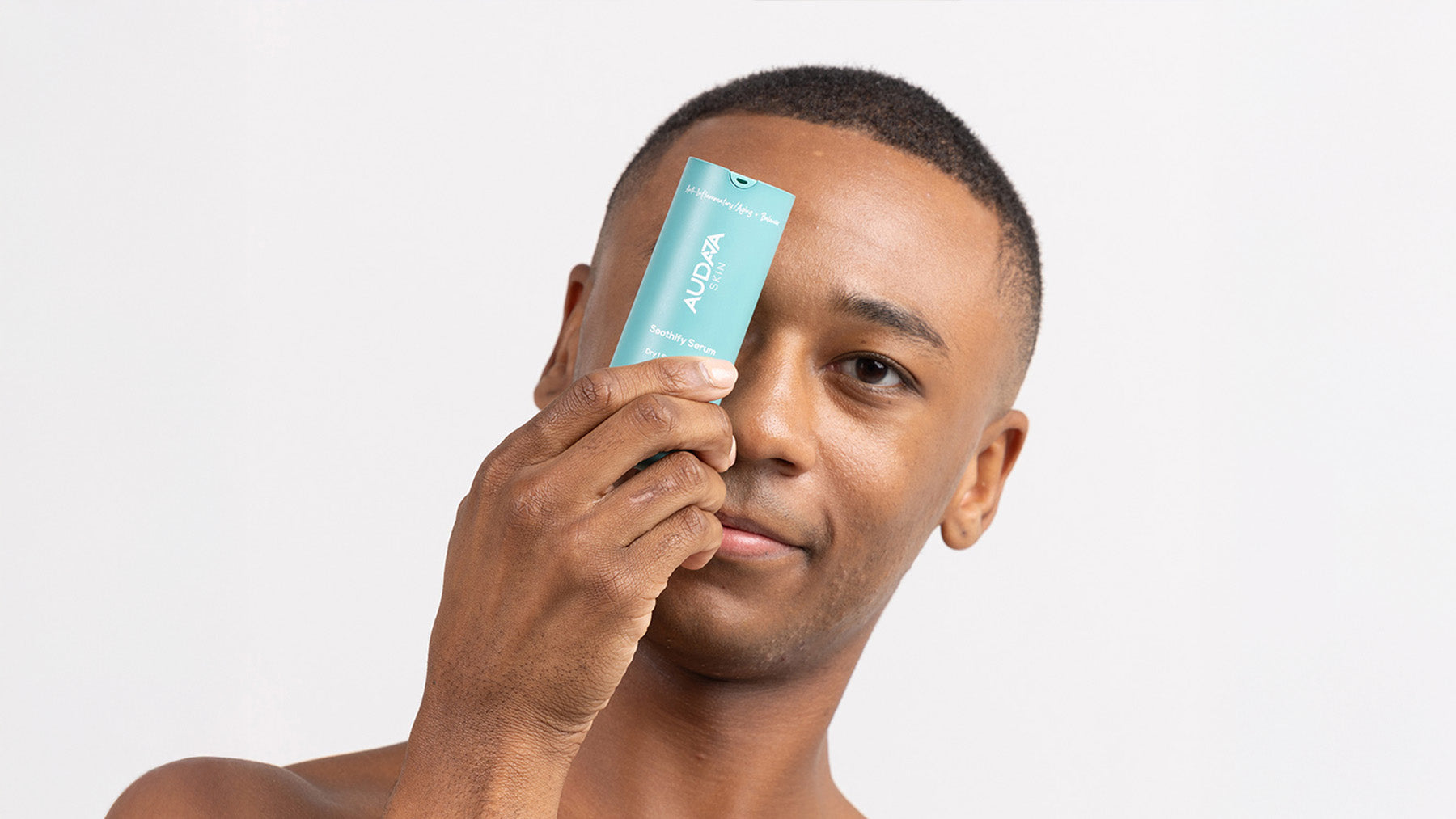
Your 30s are when the first real signs of skin aging start showing up and also the best time to do something about them. Here's what's actually changing in your skin and how to build a routine that works.
There's a moment a lot of people describe happening sometime in their early to mid-30s. They look in the mirror and notice something is different not dramatically older, but somehow less bouncy, less even, or a little more lined around the eyes and mouth than it used to be. The skin that used to recover overnight from a late night or a missed skincare step suddenly takes a few days to bounce back.
That's not imagination. Real, measurable biological changes start happening in your skin in your 30s, and they accumulate gradually enough that most people don't notice them until they're already well underway. The good news is that your 30s are also the most effective time to build a skincare routine that addresses these changes, because the earlier you start supporting your skin with the right ingredients, the more you can slow the process and maintain skin that looks healthy and resilient for decades to come.
What Actually Changes in Your Skin in Your 30s
Understanding what's happening biologically makes it a lot easier to choose the right ingredients and set realistic expectations for what a routine can achieve.
Collagen production slows down. Starting in the mid-20s, your skin produces approximately 1% less collagen per year. By your 30s, that cumulative decline becomes noticeable as a gradual loss of firmness and elasticity, particularly around the jawline, cheeks, and under the eyes. Skin that used to snap back quickly starts to show the early signs of sagging and fine lines.
Cell turnover slows significantly. In your 20s, your skin renews itself roughly every 28 days. In your 30s, that cycle starts to lengthen, which means dead skin cells sit on the surface longer before being shed. The visible result is a complexion that looks duller, has a less even texture, and doesn't absorb products as efficiently as it once did.
Hyaluronic acid levels decline. Your skin produces less of this moisture-binding molecule naturally as you age, contributing to a loss of that plump, dewy quality that tends to characterize younger skin. Fine lines become more visible as the skin loses some of its internal hydration reserves.
Melanin distribution becomes less even. Years of UV exposure start to manifest as visible dark spots, uneven skin tone, and areas of discoloration that weren't present before. For melanated skin, this process is often more pronounced because deeper skin tones produce melanin more readily in response to accumulated sun exposure and inflammation.
The skin barrier becomes slightly less efficient. A less robust barrier means more moisture loss, more sensitivity to environmental irritants, and a slower recovery from stressors like weather changes, travel, or periods of disrupted sleep.
The Ingredients Worth Knowing About in Your 30s
The anti-aging ingredient market is overwhelming. Here's what the science actually supports for this decade of skin.
Vitamin C is the most important morning ingredient for skin in its 30s. It stimulates collagen synthesis, protects against the UV and pollution-induced free radical damage that accelerates aging, and addresses the hyperpigmentation that becomes more common as accumulated sun exposure starts to show. For maximum effectiveness, it should be combined with Vitamin E and Ferulic Acid, which stabilize it and significantly enhance its performance.
Biomimetic Peptides are short chains of amino acids that communicate directly with skin cells, signaling them to produce more collagen and elastin. They work at a deeper level than surface exfoliants and are among the most effective non-irritating options for improving firmness and reducing the appearance of fine lines in skin that's beginning to show early aging.
Retinyl Palmitate is a gentle form of Vitamin A that accelerates cell turnover, drives collagen production, and helps fade hyperpigmentation. It delivers meaningful anti-aging results with significantly less irritation risk than stronger retinoids, making it ideal for people in their 30s who want the benefits of Vitamin A without disrupting their skin barrier or causing the peeling and sensitivity that higher-potency forms can produce.
Kojic Acid and Alpha-Arbutin address the pigmentation side of aging. Dark spots and uneven tone that start appearing in your 30s respond well to these ingredients used consistently at night, particularly when paired with Vitamin C in the morning for a dual approach that inhibits melanin production around the clock.
Hyaluronic Acid replenishes the moisture-binding capacity that begins to decline naturally in your 30s. When delivered topically in a well-formulated moisturizer, it attracts water to the skin and keeps it there, reducing the appearance of fine lines and maintaining that plump, hydrated quality that becomes harder to sustain without support.
Green Tea Extract and antioxidants protect against the environmental oxidative stress, UV radiation, pollution, and infrared light, that is responsible for a significant portion of visible aging. Antioxidant protection is most effective when applied daily rather than reactively, which is why it belongs in the morning routine as a consistent first line of defense.
Building Your Anti-Aging Routine for Your 30s
A great routine in your 30s doesn't need to be complicated. Consistency with the right products will always outperform an elaborate routine that's hard to maintain.
Morning:
Start with the Silkify Cleanser to gently cleanse without disrupting the barrier. As skin becomes slightly less resilient in your 30s, a non-stripping morning cleanse becomes more important than ever, preserving the natural oils that keep your barrier intact through the day.
Apply the Renewify Serum immediately after cleansing. Its combination of 18% Vitamin C, Vitamin E, and Ferulic Acid is the gold standard antioxidant trio in skincare, and it's particularly valuable in your 30s when collagen production is slowing and UV-induced damage is starting to accumulate visibly. Applied every morning, it works both preventatively against new damage and correctively on existing dark spots and dullness.
Follow with the Hydrify Moisturizer. Its Lupinus Albus Seed Extract stimulates collagen production, Jojoba Seed Oil replenishes the lipid barrier, and Saccharomyces Ferment Filtrate supports cellular renewal, making it one of the most complete daily moisturizers for skin in its 30s. Apply morning and evening for consistent hydration and anti-aging support.
Finish with the Shieldify Sunscreen SPF 50. If there is one single habit that makes the biggest difference to how skin ages, it is daily sun protection. Research consistently shows that UV exposure is responsible for up to 80% of visible skin aging. No serum or treatment can undo what unprotected sun exposure causes over time, and no anti-aging routine is complete without SPF as its final morning step.
Evening:
Cleanse with the Exfolify Cleanser most evenings. Its Glycolic Acid accelerates cell turnover that has naturally slowed in your 30s, removing the dull surface layer that makes skin look tired and allowing the active ingredients in your treatment products to penetrate more effectively. Use it four to five evenings per week, and on the remaining evenings switch to the Silkify Cleanser to give your barrier a rest.
Apply the Brightify Cream as your evening treatment. This is the most targeted anti-aging step in the routine. Retinyl Palmitate drives cell renewal and collagen stimulation at a level that surface exfoliants cannot reach. Biomimetic Peptides signal skin cells to produce more structural proteins, improving firmness and reducing the depth of fine lines over time. Kojic Acid and Alpha-Arbutin address the hyperpigmentation that becomes increasingly common in this decade. Used consistently throughout fall and winter, when UV exposure is reduced and photosensitivity is less of a concern, it delivers some of its most significant results.
Two to three evenings per week, incorporate the Glow Pads in place of your evening cleanser. Their multi-acid resurfacing formula, with Glycolic, Lactic, Mandelic, and Azelaic Acid, provides a deeper level of cell turnover acceleration that gives skin a genuine texture and radiance reset, something that becomes increasingly necessary as the natural renewal cycle slows through your 30s. Do not use them on the same evening as the Exfolify Cleanser.
Skin Tone Considerations in Your 30s
Anti-aging concerns look different across skin tones, and a routine built for your 30s should account for those differences.
For lighter skin tones, the primary visible aging concerns in this decade tend to be fine lines, loss of firmness, and the first appearance of sun spots. A Vitamin C serum in the morning and collagen-stimulating evening treatment are the most impactful starting points.
For melanated skin tones, hyperpigmentation and uneven skin tone are typically the more dominant concerns alongside early aging. The good news is that deeper skin tones often retain firmness and elasticity longer than lighter complexions, giving more time to focus on pigmentation before structural aging becomes the primary concern. The Brightify Cream's combination of brightening and collagen-stimulating ingredients makes it particularly well-suited for this skin type in this decade.
Regardless of skin tone, daily SPF remains the single most impactful preventative measure available. The dark spots and collagen damage that UV exposure causes in your 30s are what show up as significant aging in your 40s and 50s.
Lifestyle Factors That Matter More in Your 30s
- Sleep quality directly affects skin aging. Collagen production and cellular repair happen primarily during deep sleep. Chronic sleep deprivation in your 30s visibly accelerates the aging process in ways that skincare products can only partially compensate for.
- Stress management becomes more important. Elevated cortisol breaks down collagen and triggers inflammation that worsens hyperpigmentation. Building stress-reduction habits in your 30s has a measurable impact on how your skin ages over the following decades.
- Diet and hydration matter more than they used to. A diet rich in antioxidants, healthy fats, and adequate protein supports skin from the inside in ways that topical products cannot replicate on their own. Internal hydration also becomes increasingly important as the skin's natural moisture-binding capacity declines.
The Bottom Line
Your 30s are not when aging begins. They are when it becomes worth paying deliberate attention to. And the most effective thing you can do is build a consistent routine now, with ingredients that are proven to work, rather than waiting until the changes become more significant and harder to address.
Antioxidant protection in the morning, targeted collagen stimulation and brightening at night, and SPF every single day are the three pillars of an anti-aging routine that genuinely makes a difference over time. Start there, stay consistent through fall and winter when conditions favor the strongest results, and your skin will reflect that investment for years to come.
Build Your Anti-Aging Routine for Your 30s
Explore Audaja's full collection of clinically formulated, dermatologist-tested anti-aging products at audaja.com, or take the free Skin Quiz to get a personalized routine built specifically for your skin type, tone, and concerns.

