

Cart
0
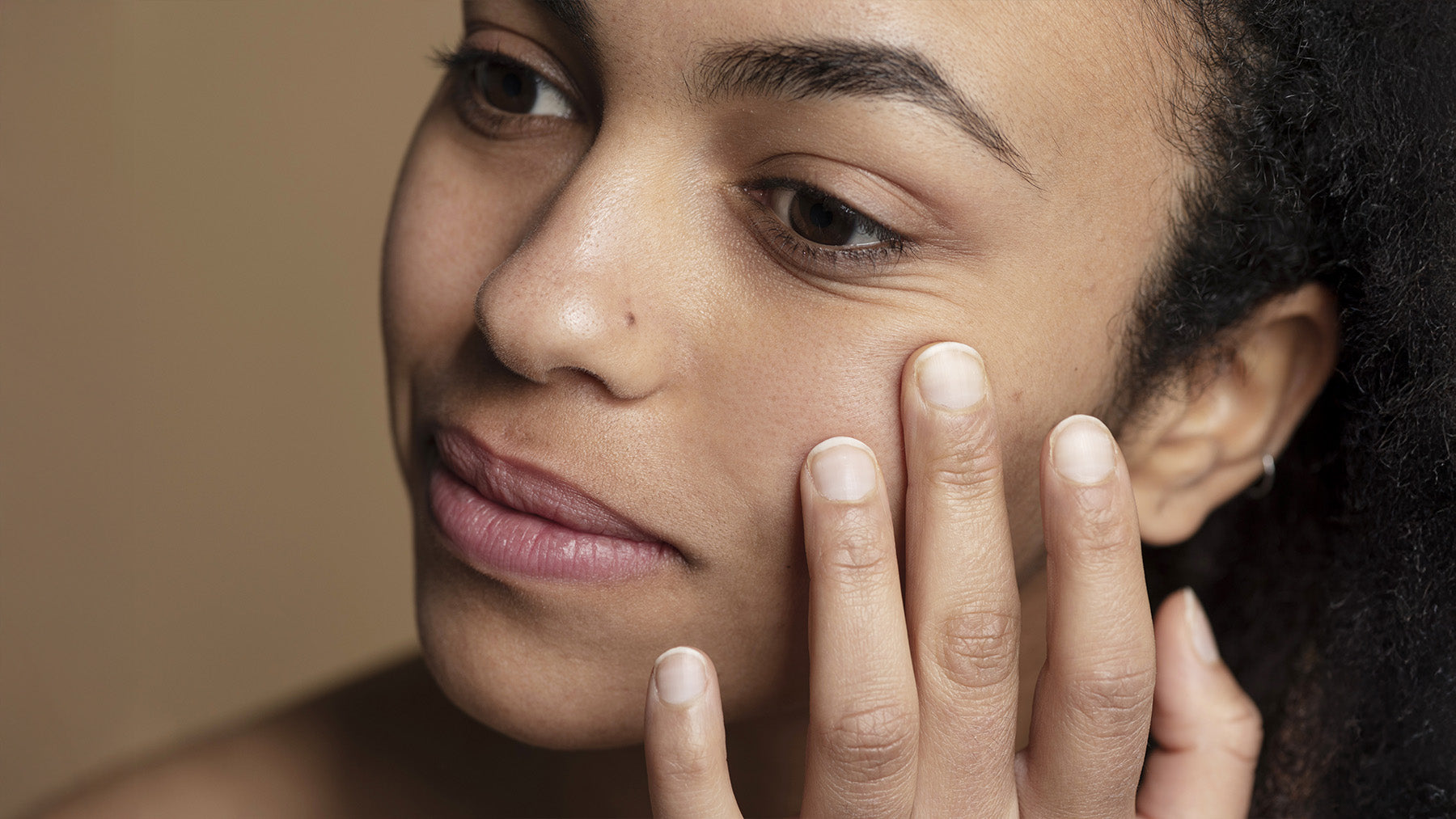
If your skin suddenly feels tight, flaky, or just off as the weather cools down, you're not imagining it. Fall does something specific to your skin's moisture levels, and understanding it makes all the difference.
Every fall, the same thing happens to a lot of people. The routine that worked perfectly through spring and summer suddenly stops cutting it. Skin feels tight after cleansing, dry patches appear around the nose and cheeks, and no matter how much moisturizer goes on, the dryness seems to come back within hours.
It's not that your products stopped working. It's that your skin's environment changed in ways that your routine hasn't accounted for yet. Fall brings a specific combination of conditions that strips moisture from skin faster than most people realize, and once you understand the mechanics behind it, fixing it becomes a lot more straightforward.
What Fall Does to Your Skin's Moisture Levels
Skin hydration isn't just about what you apply topically. It's heavily influenced by the environment around you, and fall changes that environment in several ways simultaneously.
Humidity drops and takes your skin's moisture with it. Summer air, particularly in humid climates, actually helps your skin retain water by reducing the rate at which moisture evaporates from the surface. When fall arrives and humidity levels drop, that passive support disappears. Your skin is suddenly losing moisture to the air at a much faster rate than it was just weeks before, and if your moisturizer isn't compensating for that, the deficit adds up quickly.
Cold air reduces your skin's natural oil production. Sebum, your skin's natural oil, plays a critical role in maintaining barrier function and locking in hydration. Cold temperatures slow down sebaceous gland activity, which means your skin produces less of its own protective oil. This is especially noticeable for people who already have dry or normal skin, but even oily skin types can experience unexpected dryness in fall as oil production decreases.
Indoor heating creates a chronically dry environment. This is the factor most people overlook. When central heating or forced air systems run consistently, they pull significant moisture out of indoor air, creating an environment that dehydrates your skin around the clock, including overnight. If your skin feels particularly tight or dry in the morning despite a full evening routine, heated indoor air is very often the reason.
Hot showers become more tempting, and more damaging. As temperatures drop, the instinct to take longer, hotter showers increases. Hot water breaks down the skin's lipid barrier faster than almost anything else, stripping away the natural oils that keep moisture locked in. The result is skin that feels temporarily soothed by warmth but ends up significantly more dehydrated afterward.
The Difference Between Dry Skin and Dehydrated Skin
Before reaching for heavier products, it helps to know which type of moisture deficit you're actually dealing with, because the solutions are slightly different.
Dry skin is a skin type characterized by insufficient oil production. It tends to feel rough, look dull, and show fine lines more readily. It's a condition that's often genetic and present year-round, but it gets significantly worse in fall and winter when oil production slows and environmental conditions worsen.
Dehydrated skin is a skin condition, not a skin type, and it can affect anyone, including people with oily skin. It's caused by a lack of water in the skin rather than a lack of oil. Dehydrated skin often feels tight, looks slightly dull or congested, and can have an unusual texture. The telltale sign is that it still produces oil, sometimes excessively, because oil production ramps up to compensate for the water the skin is losing.
Fall often causes both simultaneously, which is why a single product change rarely solves the problem completely. A comprehensive approach that addresses both the water and oil components of hydration is what actually works.
How to Rebuild Hydration and Barrier Function for Fall
Start with a barrier-supportive cleanser.
Switching to the Silkify Cleanser for your morning cleanse is one of the simplest and most impactful fall adjustments you can make. Formulated with Aloe Barbadensis Leaf Juice and Burdock Root Extract, it removes overnight buildup without stripping the natural oils your barrier depends on in cooler, drier weather. For evenings, the Exfolify Cleanser can be used a few times per week to keep cell turnover active, but on other evenings, the Silkify keeps things gentle enough to avoid further barrier disruption.
Layer hydration with the right serum.
Fall is when the Soothify Serum becomes a standout performer. Its Squalane base mimics the skin's natural oils and delivers deep, non-greasy hydration that absorbs completely and stays put throughout the day. Tetrahexyldecyl Ascorbate, the gentle oil-soluble Vitamin C in the formula, continues working on any summer hyperpigmentation while being completely compatible with barrier-compromised, dry, or reactive fall skin. Apply it morning and evening after cleansing, before moisturizer, for layered hydration that doesn't evaporate the way water-based products can in dry air.
If your skin tolerates it well, you can continue using the Renewify Serum in the morning for its stronger antioxidant and brightening benefits, and reserve the Soothify for your evening routine as a hydrating and calming layer before your night cream.
Upgrade your moisturizer before your skin forces you to.
This is the most important product adjustment of the season. The Hydrify Moisturizer is formulated precisely for what fall skin needs. Jojoba Seed Oil replenishes the lipid layer that cold air and indoor heating deplete, Saccharomyces Ferment Filtrate supports barrier function and cellular renewal, and Green Tea Extract brings anti-inflammatory support that helps skin stay calm and balanced as conditions change. Lupinus Albus Seed Extract stimulates collagen production, which is especially valuable heading into the months when structural skin support matters most.
Apply two pumps morning and evening, over your serum, and pay particular attention to the areas that dry out first, typically the cheeks, nose, and jawline.
Keep your SPF in the routine.
Drier skin in fall can make some sunscreens feel uncomfortable, particularly if they're mattifying formulas designed for summer oiliness. The Shieldify Sunscreen SPF 50 works well year-round because its Hyaluronic Acid content adds hydration rather than stripping it. It functions as both your UV protection and a comfortable hydrating layer on top of your morning moisturizer, without the tight or dry feeling that some SPF formulas create in cold weather.
Use fall to repair with stronger evening treatments.
Once your barrier is stabilized and your skin is tolerating the seasonal shift, fall is the ideal time to introduce or intensify the Brightify Cream in your evening routine. Retinyl Palmitate and Biomimetic Peptides work to accelerate cell renewal and stimulate collagen, while Kojic Acid and Alpha-Arbutin continue fading any lingering summer dark spots. Apply it after your serum, before or instead of your evening moisturizer, and let it work overnight while your skin is in active repair mode.
Habits That Make a Real Difference in Fall
- Use a humidifier in your bedroom. Running a humidifier overnight counteracts the moisture-stripping effect of indoor heating and makes a noticeable difference in how hydrated your skin feels by morning. It's one of the most effective and underrated tools for fall skin.
- Switch to lukewarm water. Cooler weather makes hot showers tempting, but lukewarm water is significantly less damaging to your barrier. It's a small habit change with a meaningful impact on how your skin holds up through the season.
- Don't skip moisturizer if your skin feels oily. Oily skin can become dehydrated in fall too, and skipping moisturizer causes oil production to compensate, making the cycle worse. Keep the Purify Moisturizer in your routine if your skin is on the oilier side, and let it do the work of hydrating without adding congestion.
- Pat dry instead of rubbing after cleansing. Rubbing with a towel increases friction and disrupts the barrier, particularly when skin is already drier and more sensitive than usual. Patting gently and applying your serum while skin is still slightly damp helps lock in extra moisture.
The Bottom Line
Fall dryness isn't a skin problem you have to just tolerate for six months. It's a predictable, seasonal response to specific environmental changes, and it responds very well to the right routine adjustments made early in the season.
The key is getting ahead of it. Switch to a gentler cleanser before you need to, upgrade your moisturizer before your barrier breaks down, and keep your barrier-supportive habits consistent throughout the season. Skin that goes into fall well-supported comes through winter in significantly better shape, and that makes all the difference when temperatures really drop.
Build Your Fall Hydration Routine
Find the right products for your skin type and the season at audaja.com, or take the free Skin Quiz to get a personalized fall routine made specifically for your skin.

