

Cart
0
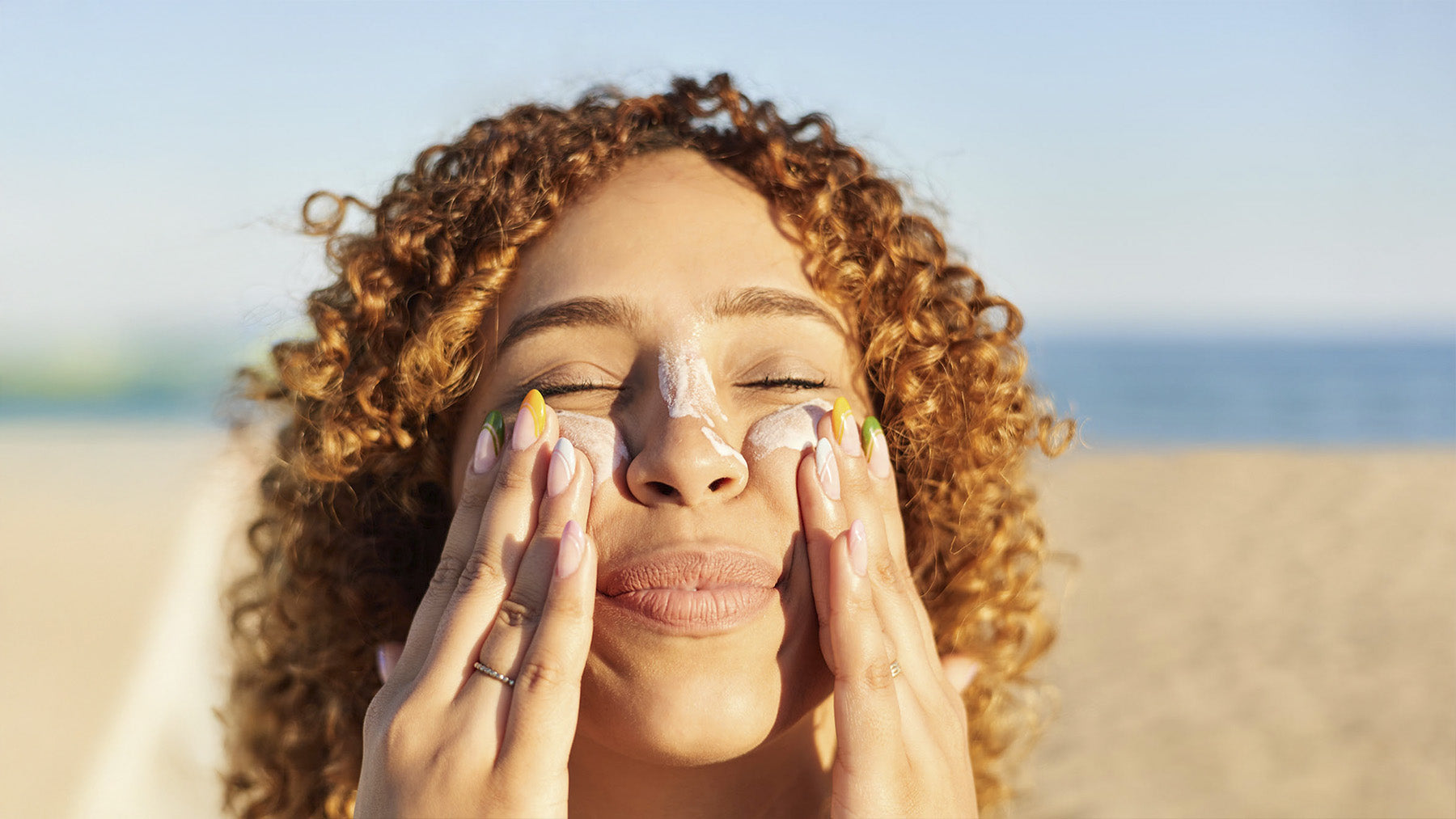
Most people think sun exposure is the only summer skin threat worth worrying about. But extreme heat on its own even in the shade does real, measurable damage to your skin. Here's what's actually happening and how to stay ahead of it.
We talk a lot about UV protection in summer — and rightfully so. But UV rays aren't the only thing working against your skin when temperatures spike. Heat itself, independent of sun exposure, triggers a cascade of changes in your skin that can lead to breakouts, dehydration, accelerated aging, and a compromised skin barrier — all of which get worse the longer they go unaddressed.
If your skin has ever felt completely out of control in the middle of summer — oilier than usual, more reactive, breaking out in places it normally doesn't, or just looking dull and tired no matter what you do — extreme heat is likely a major part of the equation.
What Extreme Heat Actually Does to Your Skin
It overactivates your sebaceous glands. Heat signals your body to cool itself down, which triggers increased oil production. Your sebaceous glands go into overdrive, producing more sebum than your skin actually needs. That excess oil sits on the surface, mixes with sweat and environmental pollutants, and creates the perfect environment for clogged pores and breakouts.
It breaks down your skin barrier. Your skin barrier — the outermost layer responsible for keeping moisture in and irritants out — is highly sensitive to temperature extremes. Prolonged heat exposure weakens the barrier's lipid structure, making it easier for moisture to escape and for irritants, bacteria, and pollutants to penetrate. The result is skin that feels tight, reactive, and more prone to redness and sensitivity than usual.
It accelerates transepidermal water loss (TEWL). Even without direct sun exposure, high ambient temperatures cause your skin to lose moisture at a faster rate than normal. This leads to that paradoxical summer combination — skin that looks oily on the surface but feels dehydrated underneath. Skipping moisturizer because your skin feels greasy is one of the most common and counterproductive responses to this.
It worsens existing skin concerns. If you already deal with rosacea, eczema, or hyperpigmentation, extreme heat makes all of them harder to manage. Heat triggers inflammatory responses in the skin, dilates blood vessels, and stimulates melanin production — meaning dark spots can get darker, redness can become more persistent, and sensitive skin can become significantly more reactive.
It accelerates photoaging — even indirectly. Heat increases the production of free radicals in the skin, which break down collagen and elastin over time. Combined with UV exposure, the oxidative damage that accumulates over a single summer season can be significant, particularly around the eyes, forehead, and neck.
Who's Most at Risk
Extreme heat affects everyone, but certain skin types feel it more intensely:
- Oily and acne-prone skin tends to experience the most visible short-term impact — more shine, more congestion, more breakouts.
- Sensitive and eczema-prone skin is more vulnerable to barrier disruption and inflammatory flare-ups triggered by heat.
- Melanated skin faces a higher risk of heat-triggered hyperpigmentation, since inflammation in the skin — including heat-induced inflammation — can stimulate excess melanin production.
- Mature skin is more susceptible to moisture loss and collagen breakdown from heat-induced oxidative stress.
How to Protect Your Skin from Extreme Heat
The good news is that with the right routine adjustments, your skin can handle summer heat without falling apart.
Cleanse more thoroughly in the evening. After a day of heat, sweat, sunscreen, and oil buildup, your skin needs a proper cleanse to reset. The Exfolify Cleanser is ideal for this — its Salicylic and Glycolic Acid formula cuts through congestion, clears pores, and removes the surface buildup that heat accelerates, all without stripping your barrier. For mornings, the gentler Silkify Cleanser refreshes skin without over-cleansing.
Double down on antioxidants. Free radical damage from heat and UV exposure is cumulative — antioxidants are your defense. The Renewify Serum delivers a clinically proven combination of 18% Vitamin C, Vitamin E, and Ferulic Acid that neutralizes free radicals before they can break down your collagen. Apply it every morning as the first line of defense against heat-induced oxidative stress.
Don't skip moisturizer — switch to the right one. If your skin feels oily in the heat, the answer isn't skipping moisture — it's choosing a formula that hydrates without adding weight. The Purify Moisturizer is formulated specifically for this scenario: it delivers balanced hydration and helps regulate sebum production, so your skin stays comfortable without looking greasy. For dry or sensitive skin that still struggles with dehydration in the heat, the Hydrify Moisturizer provides deeper moisture support without heaviness.
Make SPF non-negotiable — and reapply it. Heat and UV damage are a compounding combination. The Shieldify Sunscreen SPF 50 provides broad-spectrum mineral protection with Zinc Oxide and Titanium Dioxide, while Hyaluronic Acid keeps skin hydrated underneath. It's formulated without a white cast, making it suitable for all skin tones — including deeper complexions. Apply every morning and reapply every two hours when outdoors.
Exfoliate strategically. Heat accelerates dead skin cell buildup, which contributes to dullness and congestion. Incorporating the Glow Pads two to three times a week in the evening helps keep cell turnover moving, pores clear, and skin texture smooth — without the irritation risk of more aggressive treatments.
A Few Heat-Season Habits Worth Adopting
- Stay hydrated from the inside — skin loses moisture faster in extreme heat, and topical hydration alone can't compensate for inadequate water intake.
- Avoid hot showers — as tempting as they are after a long day outside, hot water breaks down your skin barrier over time. Lukewarm is always better.
- Keep your products cool — storing serums and moisturizers in a cool place (even the fridge) helps preserve their active ingredients, particularly Vitamin C which degrades with heat exposure.
- Cleanse after sweating — whether from a workout or just a hot afternoon, letting sweat sit on your skin for extended periods invites breakouts and irritation.
The Bottom Line
Extreme heat is a real and underestimated threat to skin health — one that goes well beyond sunburn. It disrupts your oil balance, weakens your barrier, accelerates aging, and makes every existing skin concern harder to manage. But it's also entirely manageable with the right routine.
The key is being proactive rather than reactive. Adjust your products for the season, protect your barrier, load up on antioxidants, and wear your SPF every single day — and your skin will stay healthy and balanced no matter how high the temperature climbs.
Ready to Build Your Summer Routine?
Summer heat doesn't have to take a toll on your skin. Build your warm-weather routine with products formulated to protect, balance, and strengthen your skin all season long at audaja.com.

