

Cart
0
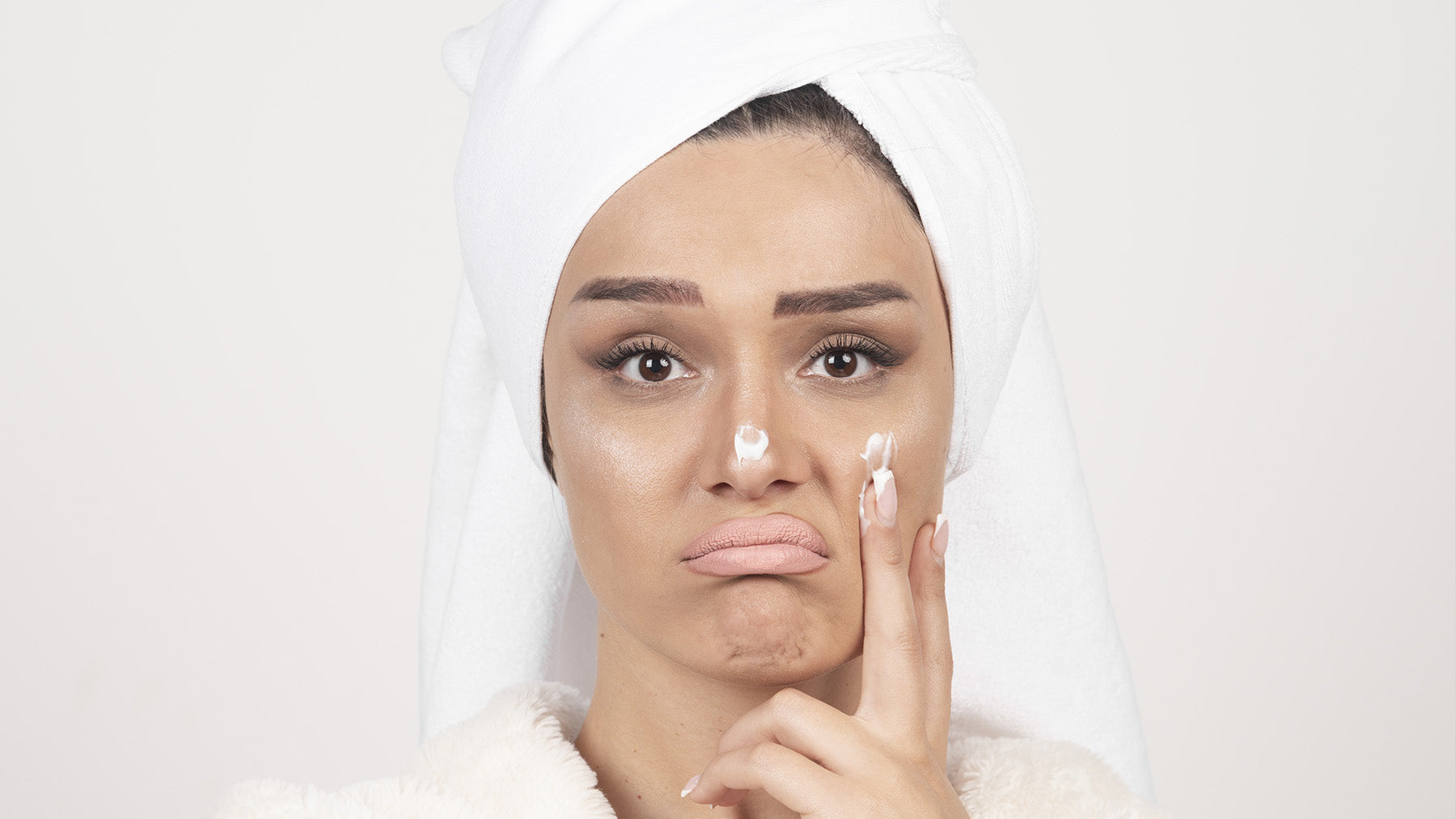
Let's be honest — dealing with oily, acne-prone skin as an adult is exhausting. You've probably tried mattifying products, skipped moisturizer thinking it would help, or loaded up on harsh cleansers that left your skin feeling stripped. And yet the breakouts keep coming.
Here's the thing: most of those approaches actually make things worse. Understanding what's driving your oily skin and breakouts is the first step to getting them under control for good.
Why Does Skin Get Oily in the First Place?
Your skin produces oil — called sebum — through tiny glands beneath the surface. Sebum isn't the enemy. It actually plays an important role in keeping your skin barrier intact and your complexion moisturized. The problem starts when those glands go into overdrive.
Several things can trigger excess sebum production:
- Genetics — some people are simply predisposed to oilier skin
- Hormonal fluctuations — androgens (hormones present in all genders) directly stimulate oil glands, which is why oily skin and breakouts often spike around your period, during pregnancy, or under stress
- Over-cleansing or using harsh products — when you strip the skin too aggressively, it responds by producing even more oil to compensate
- Diet and lifestyle factors — high-glycemic foods, dairy, and chronic stress have all been linked to increased sebum production
- Climate — as we covered in our summer blog, heat and humidity make oily skin significantly worse
How Acne Actually Forms
Acne isn't just about oil — it's about what happens when oil meets dead skin cells and bacteria. When sebum and dead skin cells accumulate inside a pore, they create a plug. If that plug stays closed under the skin, it becomes a whitehead. If it oxidizes and opens to air, it turns dark — that's a blackhead. When bacteria gets involved and the area becomes inflamed, you get the red, painful pimples and cysts that are harder to deal with.
This is also why people with deeper skin tones need to be especially careful with acne — every breakout carries the risk of leaving behind post-inflammatory hyperpigmentation (PIH), those dark marks that can linger long after the pimple itself has healed.
What Ingredients Work Best for Oily and Acne-Prone Skin
Salicylic Acid is a BHA (beta hydroxy acid) that's oil-soluble, meaning it can actually get inside the pore and dissolve the buildup that causes breakouts. It's one of the most effective ingredients for acne-prone skin.
Glycolic Acid is an AHA that works on the skin's surface, loosening the bonds between dead skin cells and keeping texture smooth and clear.
Green Tea Extract is an often-underrated ingredient for acne-prone skin. It has strong anti-inflammatory and antioxidant properties that calm redness and reduce the severity of breakouts.
Cucumber Extract soothes and cools the skin while helping to regulate moisture — essential for keeping oily skin balanced without clogging pores.
Hyaluronic Acid deserves a mention here too, because oily skin still needs hydration. Hyaluronic Acid delivers moisture without any heaviness or pore-clogging risk.
Building a Routine for Oily and Acne-Prone Skin
The goal of this routine is simple: keep pores clear, control oil without stripping the skin, and protect the barrier so it doesn't fight back with more oil.
Morning:
Start with the Silkify Cleanser in the morning — a gentle cleanse is all you need after your nighttime routine. Over-cleansing in the morning can trigger excess oil production, so keeping it light here is intentional.
Follow with the Renewify Serum to layer in antioxidant protection and help prevent the post-acne dark spots that so many people with acne-prone skin deal with. Vitamin C is particularly valuable here because it both protects against UV-triggered pigmentation and gradually fades existing marks.
Then apply the Purify Moisturizer — this is where a lot of oily skin routines go wrong. Skipping moisturizer is one of the worst things you can do, because dehydrated skin overcompensates by producing more oil. The Purify Moisturizer is specifically formulated for oily and acne-prone skin: it hydrates deeply while helping restore your skin's natural oil balance, without leaving any greasy residue.
Finish with Shieldify Sunscreen SPF 50. Sun protection is non-negotiable — and especially important for acne-prone skin, since UV exposure makes post-acne marks darker and more stubborn.
Evening:
In the evening, reach for the Exfolify Cleanser. Its Salicylic and Glycolic Acid formula works to clear pores, dissolve dead skin cell buildup, and smooth texture after a full day of oil, sweat, and environmental exposure. Use it nightly or a few times a week depending on how your skin responds.
Follow with the Purify Moisturizer again to lock in hydration overnight and support your skin's natural repair process.
Habits That Make a Real Difference
- Never skip moisturizer — hydrated skin is balanced skin
- Change your pillowcase regularly — oil and bacteria transfer from fabric to skin overnight
- Don't pop pimples — it increases inflammation, spreads bacteria, and dramatically raises the risk of PIH
- Introduce actives gradually — if you're new to Salicylic or Glycolic Acid, start with a few nights a week and build from there
- Be consistent — acne-prone skin responds to routine, not to aggressive one-off treatments
The Bottom Line
Oily, acne-prone skin isn't a problem to be punished with harsh products — it's a skin type that needs a smart, balanced approach. The right cleanser, a lightweight moisturizer that actually works for your skin type, and consistent daily protection can make an enormous difference over time.
With the right routine, clearer and more balanced skin is absolutely achievable — regardless of your skin tone or how long you've been dealing with breakouts.
Ready to take control of oily and acne-prone skin? Shop products formulated for your skin type at audaja.com — and take the free Skin Quiz to get a routine built specifically for you.

