

Cart
0
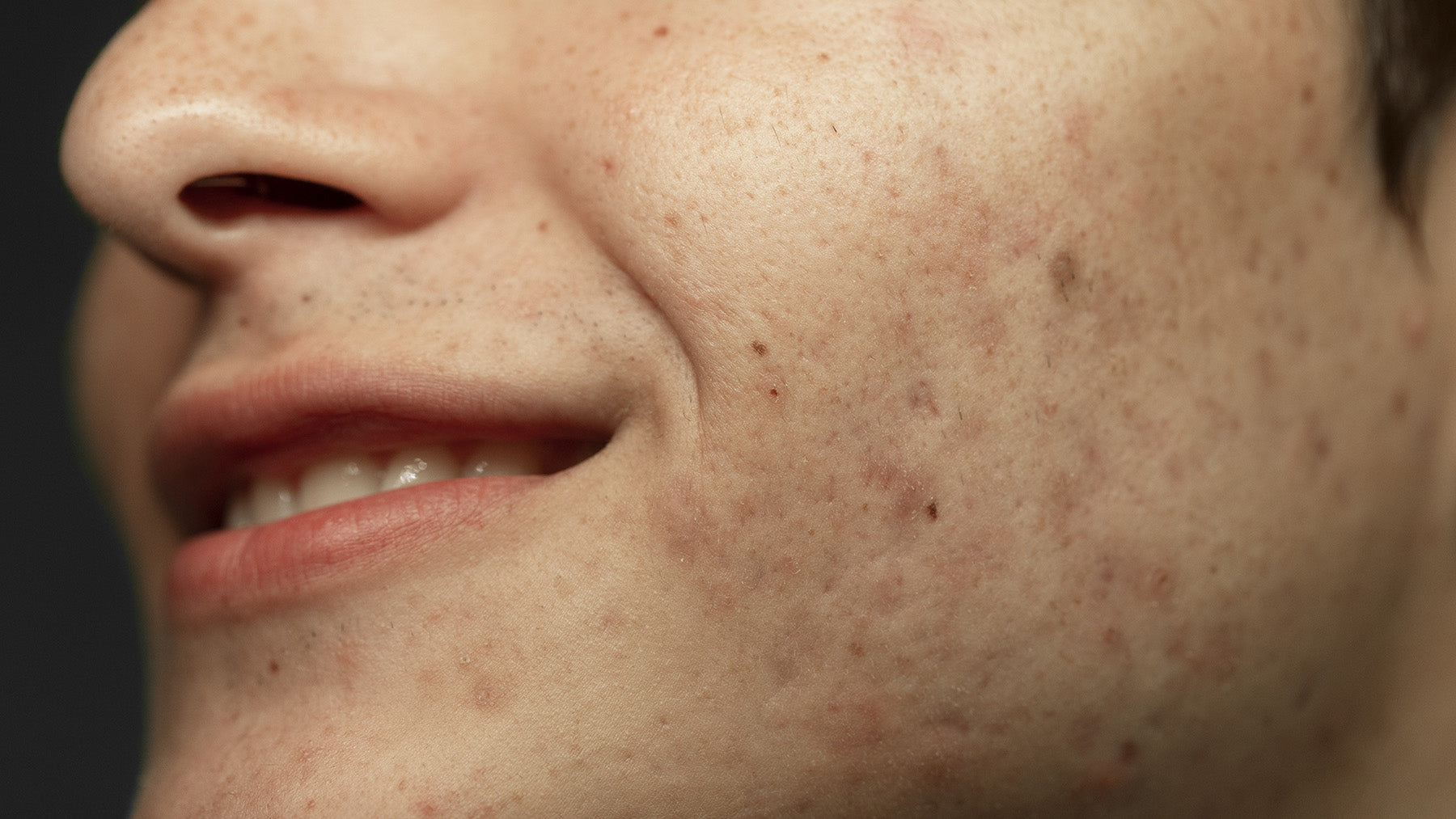
If you've ever looked in the mirror and noticed patches of darker skin, spots left behind by a pimple, or an uneven complexion that no amount of concealer seems to fully cover — you're not alone. Hyperpigmentation affects people of every skin tone, and while it's completely harmless, it can seriously impact how you feel about your skin.
The good news? With the right ingredients and a consistent routine, it's absolutely treatable.
What Is Hyperpigmentation, Exactly?
Hyperpigmentation is what happens when certain areas of your skin produce more melanin than usual. Melanin is the pigment responsible for your skin's color, and when it's overproduced in specific spots, it creates those darker patches we all know too well.
It can show up as sun spots, post-acne marks (also called post-inflammatory hyperpigmentation or PIH), melasma, or general uneven skin tone. And here's something important to know: people with deeper skin tones are especially prone to PIH, because melanin-rich skin responds more intensely to inflammation or injury.
What Causes Dark Spots?
There's rarely just one culprit. The most common triggers include:
- Sun exposure — UV rays stimulate melanin production, which is why dark spots tend to get darker in summer
- Breakouts and acne — even after a pimple heals, it can leave a dark mark behind
- Hormonal changes — pregnancy, birth control, or hormonal shifts can trigger melasma
- Skin inflammation — eczema flare-ups, cuts, or friction can all leave behind discoloration
- Aging — as skin cell turnover slows down, pigmentation becomes harder to correct on its own
The Ingredients That Actually Make a Difference
Not all brightening ingredients are created equal. Here's what to look for — and why they work:
Vitamin C (Ascorbic Acid) is one of the most researched brightening ingredients out there. It inhibits an enzyme called tyrosinase, which plays a key role in melanin production. It also works as a powerful antioxidant, protecting your skin from the UV-induced damage that causes new dark spots to form.
Kojic Acid is derived from fungi and works similarly to Vitamin C — it slows melanin synthesis and is particularly effective for stubborn spots.
Alpha-Arbutin is a gentler brightener that's safe and effective for sensitive and melanated skin. It targets existing pigmentation without causing irritation.
Licorice Root Extract calms inflammation while simultaneously fading discoloration — making it ideal for people whose hyperpigmentation is triggered by sensitive or reactive skin.
Retinyl Palmitate (Vitamin A) accelerates cell turnover, pushing pigmented cells to the surface and off your skin faster.
Building Your Hyperpigmentation Routine
Treating dark spots takes consistency more than anything else. Here's how to structure your routine:
Morning:
Start with a gentle cleanse using the Silkify Cleanser — it removes overnight buildup without disrupting your skin barrier, which is essential when you're using active ingredients.
Follow with the Renewify Serum, Audaja's Vitamin C + E + Ferulic Acid serum. This combination is considered the gold standard in antioxidant protection — Ferulic Acid stabilizes Vitamin C and makes it significantly more effective. Applied in the morning, it both prevents new sun-induced spots and gradually fades existing ones.
Always finish your morning routine with the Shieldify Sunscreen SPF 50. This step is non-negotiable. Without sun protection, any brightening work you do overnight gets undone by daytime UV exposure.
Evening:
Cleanse again, then apply the Brightify Cream. Formulated with Kojic Acid, Alpha-Arbutin, Licorice Root, and Retinyl Palmitate, this is where the real targeted treatment happens. Nighttime is when skin goes into repair mode, so layering this cream into your PM routine gives those actives the best environment to work.
For extra exfoliation a few nights a week, the Exfolify Cleanser — formulated with Salicylic and Glycolic Acid — helps remove dead, pigmented surface cells and keeps skin texture smooth and even.
A Few Tips to Speed Up Results
- Wear SPF every single day — even indoors, even in winter. UV rays come through windows.
- Don't pick at breakouts. Every time you pick, you increase the risk of PIH.
- Be patient. Hyperpigmentation doesn't appear overnight, and it won't disappear overnight either. Most people see noticeable improvement within 4–6 weeks of consistent use.
- Keep skin barrier healthy. An impaired barrier slows healing and makes pigmentation worse.
The Bottom Line
Hyperpigmentation is one of those concerns that responds really well to the right routine — but the key word is routine. Consistent cleansing, targeted actives, and daily sun protection are the three pillars of fading dark spots for good.
Whether you're dealing with post-acne marks, sun spots, or melasma, Audaja's formulations are designed with all skin tones in mind — including melanated skin, which needs both effective and gentle ingredients.
Ready to start fading dark spots for good? Build your brightening routine at audaja.com — and if you're not sure where to start, take the free Skin Quiz to get a personalized routine made for your skin.

