

Cart
0
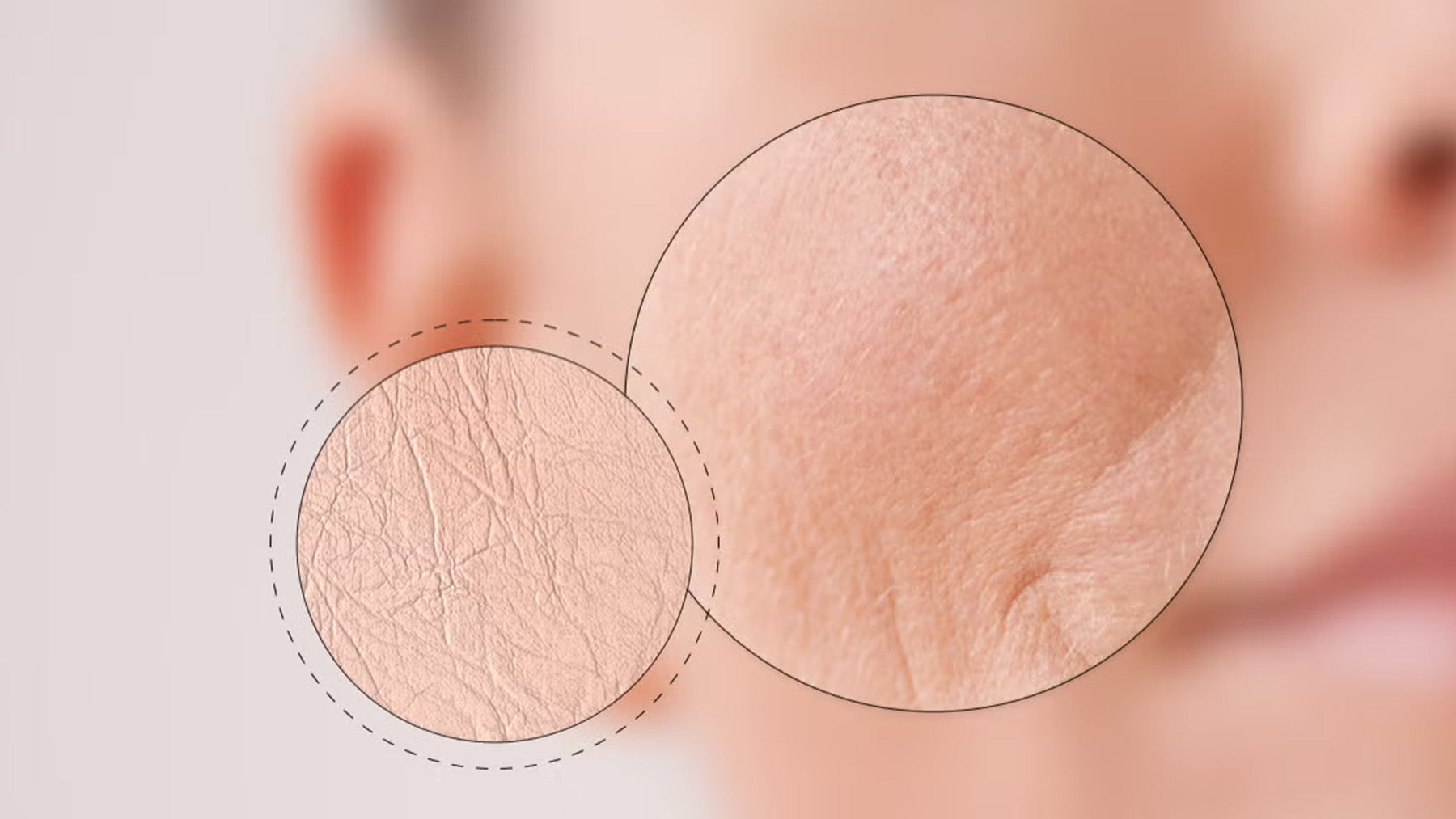
Your skin feels tight, dull, and no matter how much moisturizer you apply it never seems like enough. But is it actually dry or dehydrated? The answer changes everything about how you treat it.
Fall is when this confusion tends to peak. The weather shifts, your skin starts behaving differently, and the products that worked perfectly through spring and summer suddenly feel inadequate. Most people reach for a heavier moisturizer and call it a day. But if you're treating dehydrated skin like dry skin, or dry skin like dehydration, you're solving the wrong problem and your skin will keep telling you that.
Dry skin and dehydrated skin look similar on the surface. They both feel uncomfortable, they both make fine lines more visible, and they both leave your complexion looking less healthy than it should. But they have completely different causes and respond to completely different treatments. Understanding which one you're actually dealing with is the first step toward fixing it.
What Is Dry Skin?
Dry skin is a skin type, not a condition. It's determined by your genetics and refers to skin that produces insufficient sebum the natural oil your sebaceous glands secrete to protect and lubricate the skin's surface. Because dry skin lacks adequate oil production, its barrier is inherently less efficient at retaining moisture and keeping environmental irritants out.
Dry skin tends to be present year-round, but it gets significantly worse in fall and winter when cold temperatures slow sebaceous gland activity even further, indoor heating strips moisture from the air, and wind adds additional barrier stress. People with dry skin often notice it since childhood or their teenage years, and it typically affects the whole face rather than specific zones.
The signs of genuinely dry skin include a persistent feeling of tightness, visible flaking or rough patches, a complexion that looks dull and flat, skin that feels rough to the touch, and a tendency toward sensitivity and redness because the compromised barrier lets irritants in more easily. Fine lines tend to look more pronounced because dry skin lacks the plumpness that adequate sebum provides.
What Is Dehydrated Skin?
Dehydrated skin is a temporary condition that can affect anyone, including people with oily skin. Rather than a lack of oil, it reflects a lack of water in the skin. Specifically, it happens when your skin's water content drops below optimal levels either because the environment is pulling moisture out faster than it can be replenished, because your skin barrier is compromised and can't hold water effectively, or because your lifestyle or routine is depleting internal hydration.
This distinction matters enormously. Oil and water are separate systems. Your skin can produce plenty of sebum and still be significantly dehydrated, which is why people with oily skin often experience tight, uncomfortable skin in fall and winter despite their complexion still looking shiny. They're producing oil just fine they're losing water.
Dehydrated skin typically shows up as tightness, a slightly dull or flat-looking complexion, skin that feels less supple than usual, fine lines that appear more prominent (particularly around the eyes and mouth), and sometimes a strange combination of oiliness on the surface alongside tightness underneath. Unlike dry skin, dehydration can come and go depending on the season, your routine, your water intake, and environmental conditions.
How to Tell Which One You Have
The easiest at-home test for dehydration is the pinch test. Gently pinch a small section of skin on your cheek and hold it for a second before releasing. If your skin snaps back immediately, your hydration levels are likely fine. If it takes a moment to return to normal, or if you can see the pinch mark briefly after releasing, dehydration is likely contributing to what you're experiencing.
For dry skin, the question is more about pattern and history. Has your skin always felt like this? Does it feel rough and look dull even right after cleansing, before you've applied anything? Do you produce very little oil even in summer? Do you tend toward sensitivity and visible flaking rather than occasional dullness? These point toward a dry skin type rather than a temporary dehydration issue.
It's also entirely possible to have both simultaneously, particularly in fall. Dry skin that is also dehydrated is one of the most common skin concerns during the colder months, and it requires a routine that addresses both the oil and water components of hydration at the same time.
Treating Dry Skin: Replenishing the Oil Component
Because dry skin's core issue is insufficient sebum production, the treatment focus is on replenishing the lipid layer and reinforcing the barrier so it can do its job of retaining moisture and keeping irritants out. This means looking for oil-rich and barrier-supportive ingredients rather than just water-based hydrators.
The cornerstone of a dry skin routine is a cleanser that doesn't strip. The Silkify Cleanser is formulated with Aloe Barbadensis Leaf Juice and Burdock Root Extract both of which cleanse effectively while actively supporting the barrier rather than disrupting it. For dry skin, this should be the only cleanser used, morning and evening, with the more exfoliating Exfolify Cleanser reserved for once or twice a week maximum to avoid further stripping an already oil-deficient barrier.
The Hydrify Moisturizer is the right moisturizer for dry skin. Its Jojoba Seed Oil base closely mimics the skin's natural sebum, replenishing the lipid layer that dry skin consistently lacks. Saccharomyces Ferment Filtrate supports barrier function and cellular renewal, while Lupinus Albus Seed Extract stimulates collagen production for added firmness and resilience. Apply it morning and evening as a consistent part of the routine rather than as a reactive measure when skin feels uncomfortable.
For extra nourishment in colder months, the Soothify Serum layered underneath the moisturizer adds Squalane one of the most effective lipid-replenishing ingredients available alongside a gentle form of Vitamin C that won't further stress a sensitive, barrier-compromised complexion. This combination of serum plus moisturizer gives dry skin the layered lipid support it needs to stay comfortable through fall and winter.
Treating Dehydrated Skin: Replenishing the Water Component
Dehydration requires a different approach. The focus here is on increasing the skin's water content and, just as importantly, preventing that water from evaporating too quickly through a process called transepidermal water loss (TEWL). This means prioritizing humectant ingredients, those that attract water to the skin and hold it there alongside barrier-supportive ingredients that slow down TEWL.
Hyaluronic Acid is the most effective humectant available in skincare. It can hold up to 1,000 times its weight in water, drawing moisture to the skin and keeping it there. The Shieldify Sunscreen SPF 50 contains Hyaluronic Acid as part of its formula, meaning your daily sun protection step is simultaneously working to address surface dehydration, a particularly useful benefit for fall when skin is losing water faster than usual.
For dehydrated skin, the Soothify Serum is especially valuable. Its Squalane base acts as an occlusive that slows moisture evaporation, while the overall formula delivers calming, hydrating support that helps the skin barrier function more efficiently. Apply it morning and evening after cleansing, before your moisturizer, to create that layered hydration effect that keeps water in the skin rather than letting it escape into dry fall air.
Regardless of skin type, the Hydrify Moisturizer applied consistently twice daily is the most reliable way to maintain adequate hydration levels through fall. Even for oily skin types experiencing dehydration, a lightweight application morning and evening prevents the overcompensating oil production that dehydrated oily skin is notorious for.
What Both Conditions Have in Common
Despite their differences, dry and dehydrated skin share one critical need: a healthy, intact skin barrier. When the barrier is compromised — whether through over-cleansing, too many active ingredients, harsh weather, or lack of moisture, both conditions worsen significantly. Protecting and reinforcing the barrier is always the first priority before layering in any corrective treatments.
Both conditions also benefit from avoiding hot water when cleansing (lukewarm is always better), running a humidifier in heated indoor spaces, and staying consistent with routine rather than reacting to discomfort by layering on excessive product at once. Consistency with the right products over time produces far better results than reactive over-application.
And both conditions require daily sun protection. The Shieldify Sunscreen SPF 50 is non-negotiable year-round UV exposure degrades the barrier and worsens both dryness and dehydration over time, regardless of the season.
The Bottom Line
Dry skin and dehydrated skin are two different problems that happen to look similar from the outside. Dry skin needs oil replenishment and barrier reinforcement consistently, year-round, with extra attention in cold weather. Dehydrated skin needs water retention support and barrier protection often as a seasonal adjustment that responds quickly to the right routine changes.
The most important thing is to identify which one or which combination you're actually dealing with, and then choose products and habits that address the actual cause rather than just layering on more of whatever didn't work before. Fall is the season that makes this distinction matter most, and getting it right now sets your skin up to thrive through the colder months ahead.
Find the Right Routine for Your Skin This Fall
Explore Audaja's full collection of barrier-supportive, dermatologist-tested skincare at audaja.com, or take the free Skin Quiz to get a personalized routine built for your skin type and the season.

